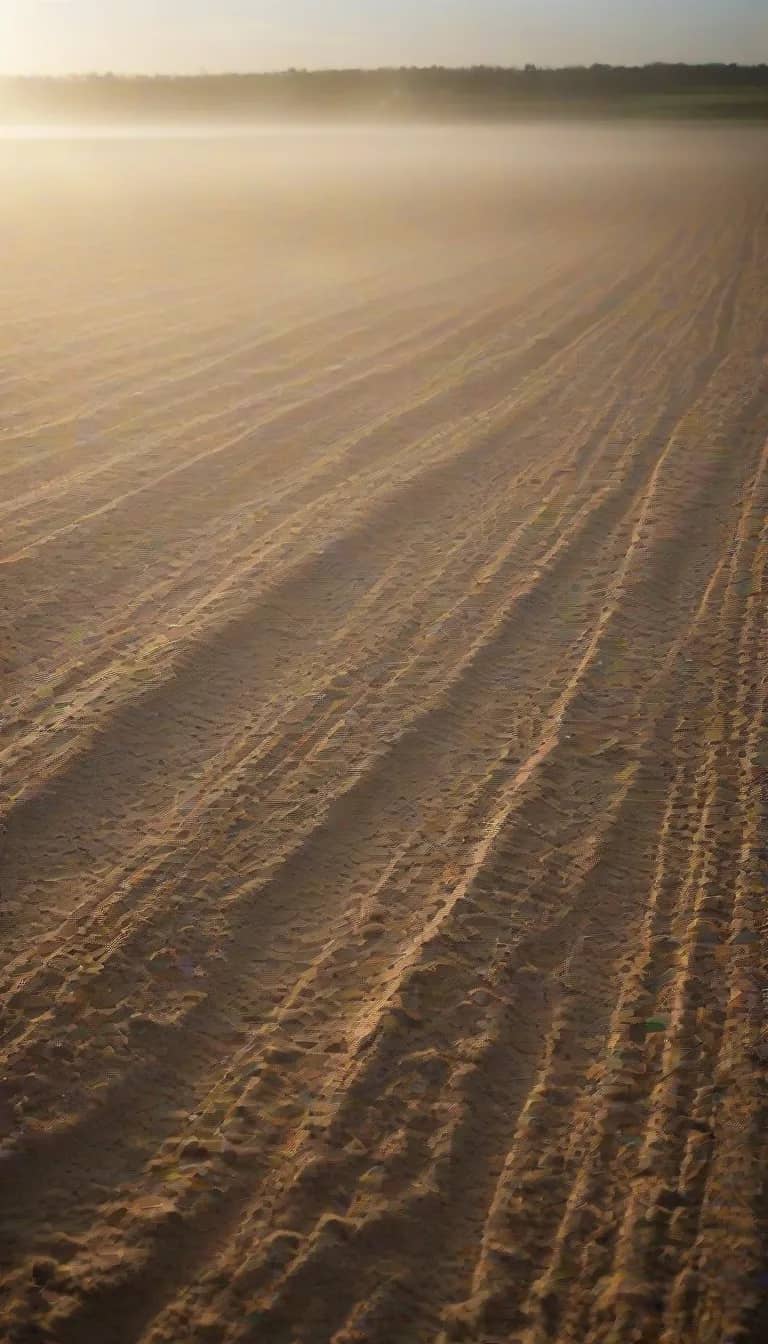
Before they can crawl, babies can learn to tell fields from canyons.
হামাগুড়ি দেওয়ার আগেই শিশুরা মাঠ এবং গিরিখাতের মতো বিভিন্ন স্থানকে চিনতে ও আলাদা করতে শেখে।
Before babies can crawl, they cannot explore the world on their own. Researchers asked if these infants can still learn to group different environments into categories. To test this, researchers showed six-month-old babies videos moving forward and backward through one type of place, such as open fields or closed canyons. When the researchers paired these scenes with a shared spoken made-up noun, the babies learned the category. At test time, the babies looked longer at an entirely new category of place. This works because infants tune into the overall layout of a space when hearing a shared label. However, when the layouts were scrambled, babies focused only on basic visual details and failed to categorize. When the videos played in silence, babies also failed to categorize.
ছয় মাস বয়সী যেসব শিশু এখনো হামাগুড়ি দিতে পারে না, তাদের বিভিন্ন স্থানের ভেতর দিয়ে চলাচলের ভিডিও দেখানো হয়েছিল। কিছু শিশুকে খোলা মাঠের ভিডিও দেখানো হয়, আবার কিছু শিশুকে দেখানো হয় বদ্ধ গিরিখাতের ভিডিও। যখন প্রতিটি স্থানকে একটি কাল্পনিক নাম দিয়ে চিহ্নিত করা হয়েছিল, তখন শিশুরা একটি নতুন ধরনের স্থানের দিকে বেশি সময় ধরে তাকিয়েছিল, যা বোঝায় যে তারা স্থানগুলির মধ্যে পার্থক্য বুঝতে পেরেছিল। কিন্তু যখন স্থানগুলি কোনো শব্দ ব্যবহার না করে শুধু নীরবে দেখানো হয়েছিল, তখন তারা এই পার্থক্য বুঝতে পারেনি। এর থেকে বোঝা যায় যে, একটি নির্দিষ্ট শব্দ ব্যবহার করলে শিশুরা বিভিন্ন স্থানকে শ্রেণীবদ্ধ করতে বা একই রকম স্থানগুলিকে এক দলে ফেলতে শেখে।
Why it matters
Most people assume babies only learn about places by moving through them. This research shows that even infants who cannot crawl yet can form place categories from what they see and hear. That matters for understanding how early learning works and for how we design early environments and interactions.
কেন গুরুত্বপূর্ণ
সাধারণত আমরা মনে করি, শিশুরা কেবল নিজেরা ঘুরে বেড়ানোর মাধ্যমেই চারপাশের জায়গাগুলো সম্পর্কে শেখে। কিন্তু এই গবেষণা দেখায় যে, হামাগুড়ি দিতে অক্ষম ছয় মাসের শিশুরাও দেখে ও শুনে জায়গাগুলোর মধ্যে পার্থক্য করতে পারে। এটি শিশুদের প্রাথমিক শেখার প্রক্রিয়া বোঝার জন্য এবং তাদের পরিবেশ ও মিথস্ক্রিয়া নকশা করার জন্য গুরুত্বপূর্ণ।